PHOTOSYNTHESIS PERIOD 13 LESSON

PHOTOSYNTHESIS IS THE PRODUCTION OF ORGANIC COMPOUNDS (CARBOHYDRATES, LIPIDS, AND PROTEINS) USING LIGHT ENERGY AND SIMPLE INORGANIC SUBSTANCES, SUCH AS CO2 AND H2O 

IT IS AN EXAMPLE OF ENERGY CONVERSION, AS LIGHT ENERGY  BECOMES CHEMICAL ENERGY 

Photosynthesis Mechanism 

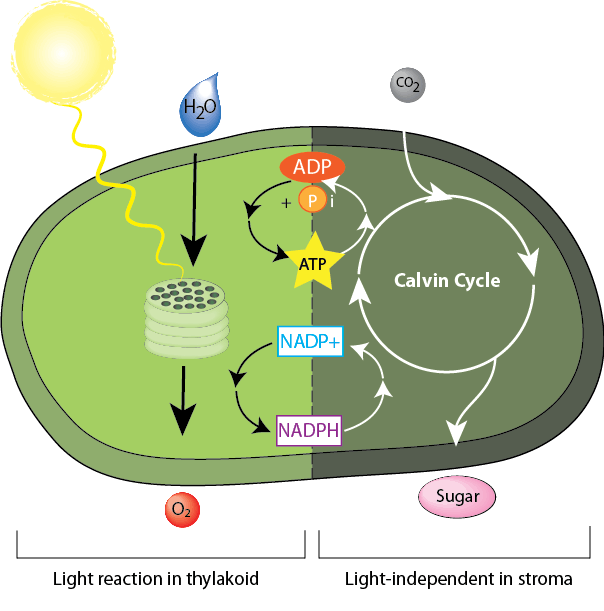
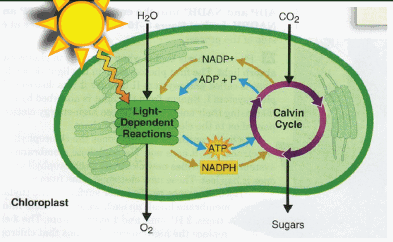
  • 2 stages: light-dependent (convert the light energy into chemical energy) and light-independent reactions (uses the chemical energy to make organic molecules) 
Light-Dependent Reactions
  • chloroplasts trap light energy
  • convert it to chemical energy 
  • contained in NADPH and ATP
  • used in second stage 
Light-Independent Reactions
  • calvin cycle: takes place after energy from sunlight has been captured 
  • formerly known as "dark reactions"
  • NADPH, the electron carrier, provides hydrogen to form glucose
  • ATP provides energy 

Oxygen Production

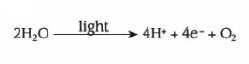
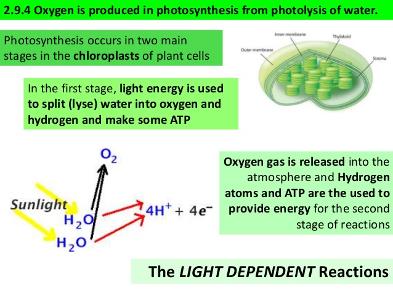
Photolysis

  • light energy is used to split water 
  • occurs in the granum of a chloroplast
  • light is absorbed by chlorophyll
  • light converted to chemical energy , which reacts with water to split hydrogen and oxygen molecules
  • water is oxidized (hydrogen removed) and energy is gained, which is required for the Calvin Cycle 

Photolysis Formula:

Limiting Factors of Photosynthesis 

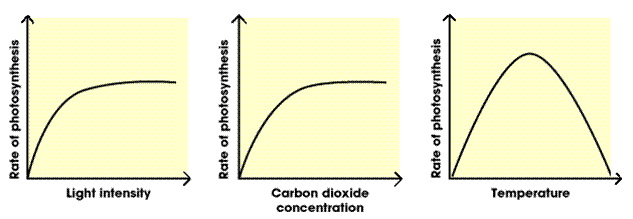
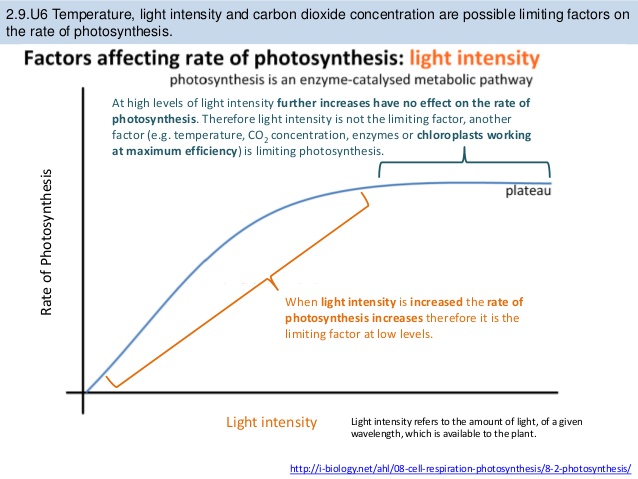
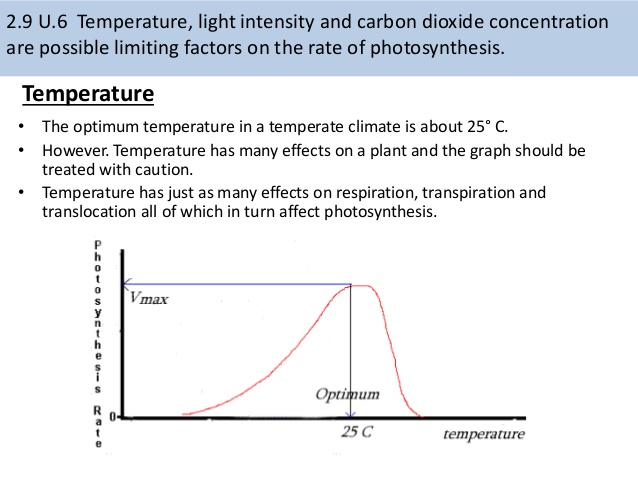
  • carbon dioxide concentration, light intensity, and temperature 
  • refer to the following graphs to get a visual for what happens to the rate of photosynthesis as each of the following increase
  • what is the pattern for each of the graphs?


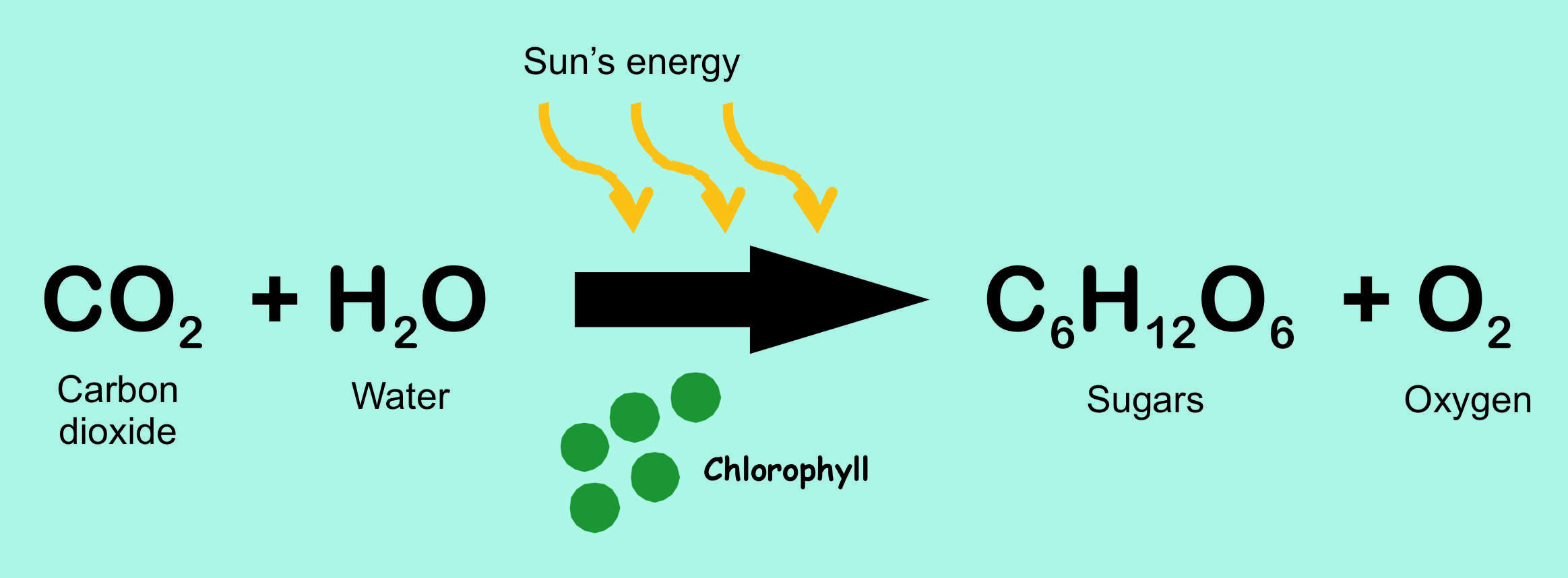
Photosynthesis Formula:

Wavelengths of Light

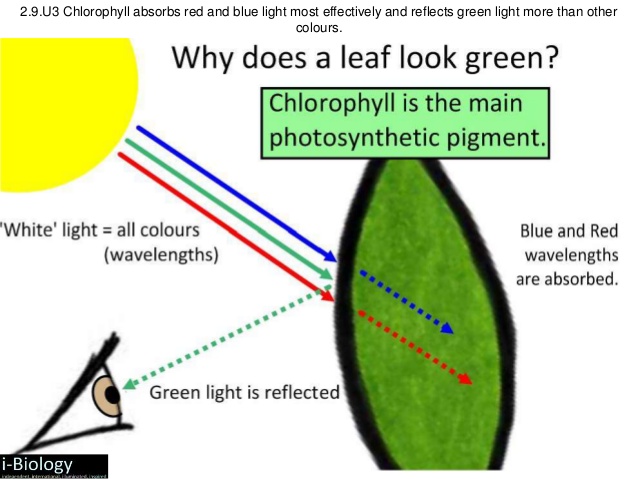
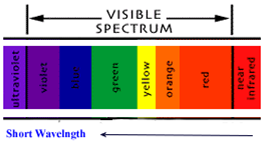
  • chlorophyll a, the most important light-absorbing pigment in plants, does not absorb light in the green part of the spectrum
  • instead, the light is reflected
  • this is the reason why chlorophyll is green
  • plants have accessory pigments that absorb light of different wavelengths

Effects of Photosynthesis on Earth

  • one of the most important biological processes on earth
  • photosynthesis provides food directly to plants
  • oxygen is a byproduct of photosynthesis
  • consequences of photosynthesis = rise in oxygen concentration of the atmosphere
  • energy from fossil fuels was harnessed from the sun by photosynthesis 
  • greenhouse effect/global warming
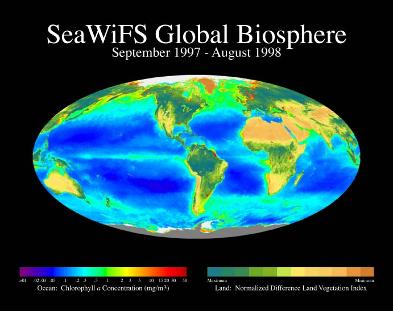
  1.  (box on left)- ocean: chlorophyll a concentration in mg/m^3
  2. (box on right)- land: normalized difference land vegetation going from max-->min